 Xiangrun New Materials – Waterborne Acrylic Emulsion & PU Resin Manufacturer
 All the latest news from company and related trade, This includes company news, trading news, company notice & other news.
 Core-Shell Soap-Free Emulsion L-1128: Adhesion Solutions for Metallized Film Varnish and Plastic Inks📅 2026-10-13Struggling with adhesion on PET, OPP, PE, or PA films? Discover how core-shell soap-free emulsion L-1128 solves metallized film varnish and plastic ink adhesion challenges without surfactant migration. Learn its mechanism, key performance data,...
 DMPA vs DMBA Hydrophilic Chain Extenders in Waterborne PU Synthesis: Solubility, Reactivity and Cost📅 2026-10-06A technical comparison of DMPA and DMBA as hydrophilic chain extenders for waterborne polyurethane synthesis. This article examines solubility differences, reactivity profiles, and why DMBA is gaining traction in solvent-free PUD processes. Includes practical...
 Polyol Selection for Waterborne PU Dispersions: PTMEG vs PPG vs Polycarbonate Diol – A Technical Comparison📅 2026-09-29Choosing the right polyol backbone fundamentally determines your waterborne polyurethane dispersion's performance envelope. This technical guide compares PTMEG, PPG, and polycarbonate diol across hydrolysis resistance, mechanical properties, low-temperature flexibility, and cost considerations. We provide...
 2K Waterborne PU Wood Coatings: A Technical Guide to Pairing Hydroxyl Acrylic Dispersion L-4833 with HDI Hardener TKA-90SB📅 2026-09-22A practical formulation guide for coating manufacturers transitioning to 2K waterborne polyurethane systems for wood applications. Covers NCO:OH ratio calculations with worked examples, pot life management strategies, hardener dispersion techniques, and performance comparisons between...
 Styrene-Acrylic Emulsion L-1018B for Sports Floor Coatings: Balancing Abrasion, Dry Time and Weathering📅 2026-09-15A technical guide for coating manufacturers evaluating Chinese styrene-acrylic binders for sports surfaces. This article covers TDS interpretation for L-1018B emulsion, including solids content, Tg, and MFFT parameters. We discuss adhesion performance on concrete...
- Supplier Tiering for Coating Raw Materials: A/B/C Classification and Backup Sourcing for Mid-Size Manufacturers📅 2026-09-08A practical guide to implementing A/B/C supplier classification for waterborne coating raw materials. This technical article covers tiering criteria, backup sourcing strategies, and total cost of ownership calculations specifically designed for mid-size coating manufacturers...
 Stability Control in Waterborne Acrylic Emulsions: A Production Troubleshooting Guide📅 2026-07-07A comprehensive technical guide addressing the most common stability failures in waterborne acrylic emulsions during production, storage, and international shipping. Covers freeze-thaw resistance, mechanical stability testing, shelf life optimization, and practical troubleshooting protocols based...
 Defoamer Selection for Waterborne Coatings: Mineral Oil vs Silicone vs Polyether – A Formulator’s Technical Guide📅 2026-06-30Choosing the right defoamer for waterborne coating formulations requires balancing foam knockdown efficiency, long-term stability, surface defect prevention, and cost. This technical guide compares mineral oil, silicone, and polyether defoamers with specific performance data,...
 Reactive Emulsifier Head-to-Head: SR-10, 6112, JS-20 Technical Comparison for Waterborne Coating Formulators📅 2026-06-23A detailed technical comparison of three leading reactive emulsifiers—SR-10, 6112, and JS-20—for waterborne emulsion polymerization. This guide covers chemical structures, recommended dosages, water resistance data, regulatory compliance, and sourcing considerations for international coating manufacturers...
- Hidden Costs in Waterborne Coating Raw Material Sourcing: MOQ, FX, and Technical Support📅 2026-06-16Unit price comparisons only tell part of the story when sourcing waterborne coating raw materials from China. This technical guide examines the total cost of ownership framework that experienced procurement professionals use to evaluate...
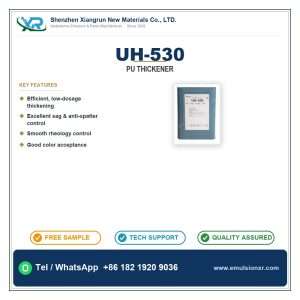 PU Thickener Rheology Control: UH-450 vs UH-420 vs UH-530 Technical Guide for Application-Specific Tuning📅 2026-06-09A technical comparison of polyurethane thickeners UH-450, UH-420, and UH-530 for waterborne coating formulators. This guide covers rheology engineering principles, shear-thinning behavior, and practical dosage recommendations for spray, roller, and brush applications. Includes viscosity...
 Preservative Selection for Waterborne Coatings: K.O vs KN3.0 and Long-Term Mildew Control📅 2026-06-02A technical comparison of MIT-free preservative systems for waterborne coating formulations targeting export markets. This guide examines K.O and KN3.0 preservatives, covering regulatory compliance with EU BPR and US EPA requirements, dosage recommendations, pH...
 Waterborne Polyurethane Resin Selection: L-325, L-530, L-533 Application Matrix for International Formulators📅 2026-05-19A technical selection guide comparing three waterborne polyurethane dispersions—L-325, L-530, and L-533—covering mechanical properties, application parameters, and certification pathways. This matrix helps coating manufacturers, adhesive formulators, and procurement teams identify the right PU resin...
 Wetting Agent Comparison: Acetylene Glycol vs Anionic vs Nonionic for Waterborne Coatings – A Defect Troubleshooting Guide📅 2026-05-08A technical comparison of acetylene glycol, anionic, and nonionic wetting agents for waterborne coating formulations. This guide examines how each chemistry type addresses common defects including pinholes, fisheyes, and crawling, with specific dosage recommendations,...
 Building a Waterborne Wood Coating Formula from Scratch: 5 Critical Components Every R&D Team Must Master📅 2026-05-05For coating manufacturers entering the waterborne wood coating market, understanding the five foundational components—resin systems, rheology modifiers, wetting and dispersing agents, leveling agents, and defoamers—determines whether your formulation succeeds or fails. This technical guide...
 Silane Coupling Agents A-171 vs A-174 vs A-187: Technical Selection Guide for Primers, Sealants & Adhesives📅 2026-04-28A technical comparison of three widely-used silane coupling agents—A-171 (vinyltrimethoxysilane), A-174 (methacrylate functional), and A-187 (epoxy functional)—covering their chemistry, application protocols, and performance differences in primers, sealants, and adhesives. Includes specific dosage recommendations, hydrolysis...
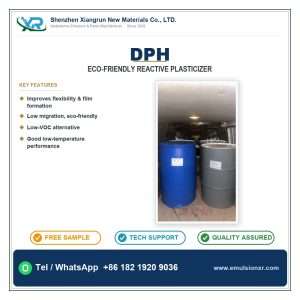 Phthalate-Free Plasticizer Options: Technical Guide to DPG, DPH, and TXIB in Post-REACH Formulations📅 2026-04-21As REACH regulations tighten restrictions on traditional phthalate plasticizers, coating and adhesive manufacturers worldwide are seeking compliant alternatives. This technical guide examines three proven phthalate-free plasticizer options—DPG, DPH, and TXIB—with specific performance data, dosage...
- 5 Critical Factors When Selecting a Waterborne Emulsion Supplier in China📅 2026-04-20A practical guide for international coating manufacturers on evaluating Chinese emulsion and additives suppliers — beyond just price. Technical capability, logistics, QC, and partnership red flags explained.
- Waterborne Acrylic Emulsion vs Solvent-Based: Which Is Better for Coatings?📅 2026-04-03Introduction: The Shift Toward Waterborne Coatings As environmental regulations tighten worldwide, the coatings industry is experiencing a significant shift from traditional solvent-based systems to waterborne alternatives. Waterborne acrylic emulsions have emerged as the leading...